Theorem
Mad about the Boy

Directed by Pier Paolo Pasolini
Italy, 1968
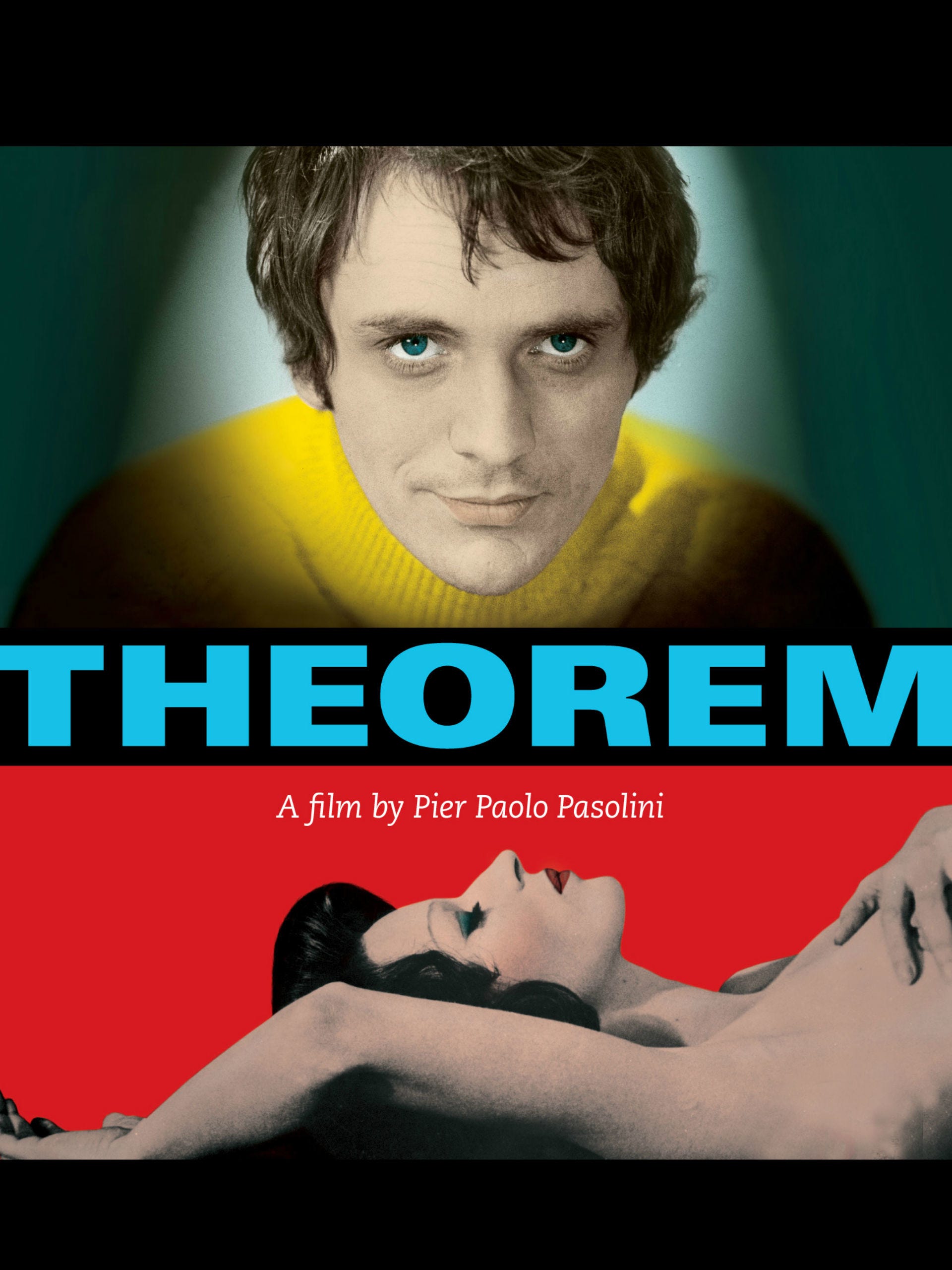
Looking back, Theorem was probably not the best place to start for an introduction to the films of Pier Paolo Pasolini. When learning to swim is it better to dip your toes in shallow waters, or to throw yourself in at the deep end? This week, ReidsonFilm found themselves not waving, but drowning.
Theorem opens, somewhat disconcertingly, with a prologue: a short documentary-style interview at a factory. The workers are asked what they think about the news that their boss has handed over the factory to them – to paraphrase Marx, literally handing over the ‘means of production’.
Hasn’t this blocked all chance of a workers’ revolution?
Does such an act herald the transformation of all humanity into the bourgeoisie?
Just as you begin to share in the workers’ bewilderment, a jazz-infused score by Ennio Morricone cues in and the opening credits roll.
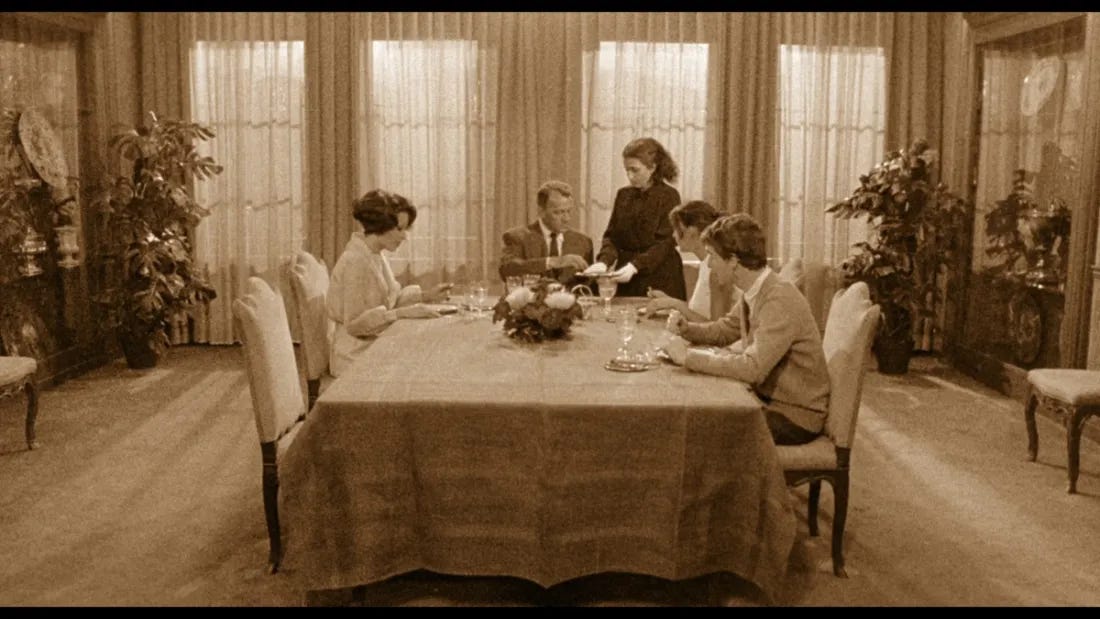
The film proper begins: this time it’s a silent sepia-toned sequence introducing us to a Milanese industrialist, Paolo (Massimo Girotti), and his family. His wife Lucia is played by the sphinx-like Silvana Mangano. Then, there is a son, Pietro (Andrés José Cruz Soublette), and a daughter Odetta (Anne Wiazemsky). And of course, in this family which is the quintessence of bourgeoisie comfort we have the maid, Emilia (Laura Betti). The doorbell of their palazzo rings, and a messenger boy delivers a telegram. He flaps his arms like wings, and laughs – his name revealingly is Angelino (Ninetto Davoli). The telegram is brief and simple: ‘I arrive tomorrow’. But who is arriving?
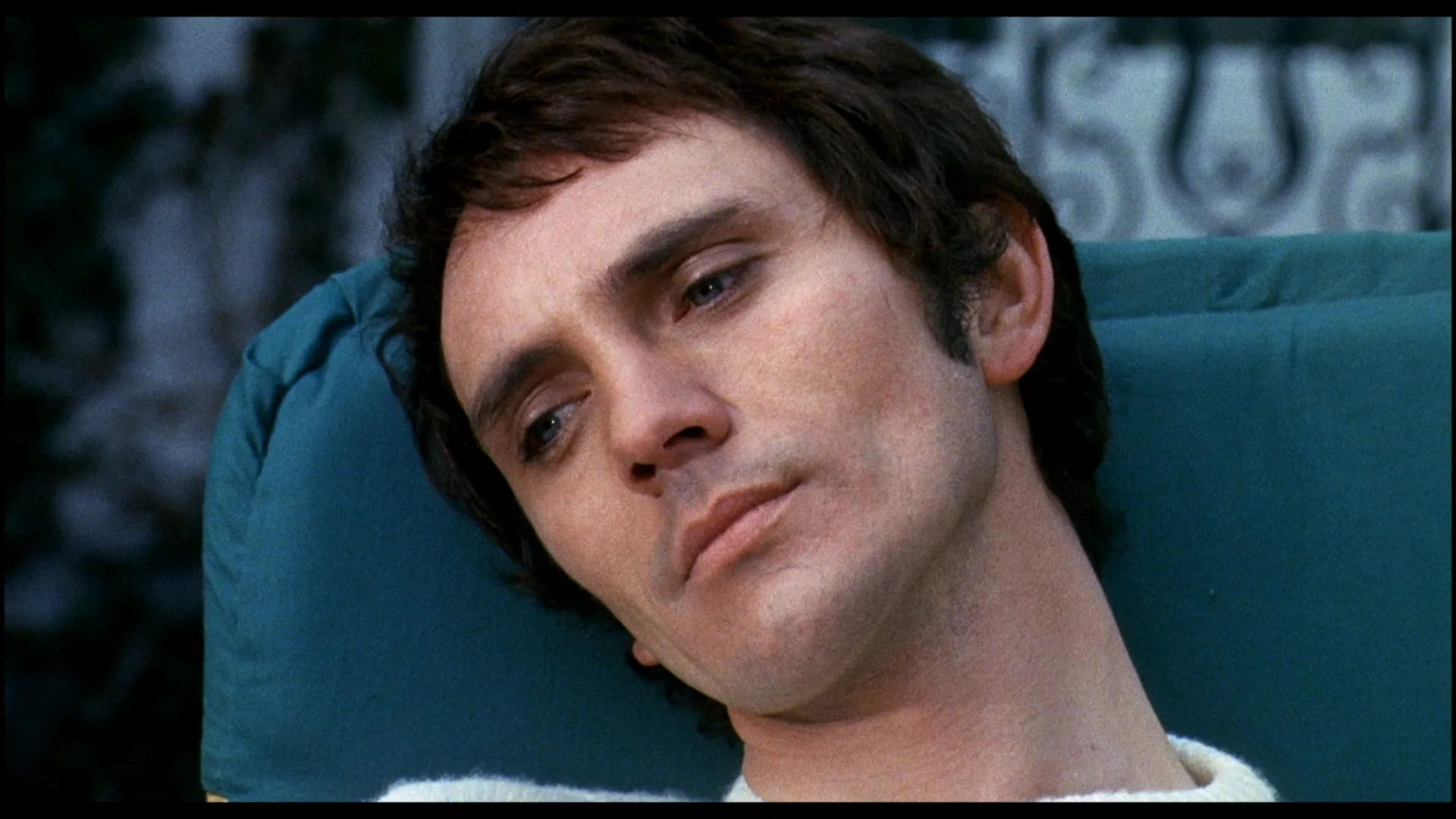
With a Wizard of Oz flourish, the screen shifts to technicolour and the unnamed visitor arrives… we recognise him, it’s Terence Stamp that cockney-edged icon of Sixties cool. Except here he is dubbed into Italian. In Theorem, Stamp is enigmatic, and his beauty so unsettling that the maid not only weeps when she meets his gaze but later, attempts to gas herself in the kitchen. The reason for his stay is never revealed but over the course of a few days, one by one he seduces the maid, the father, the mother, the son, and the daughter – seduces them literally.
A theorem, by definition, is a statement that can be shown to be true by logic. In which case Pasolini’s Theorem must be a satire as this is a work in which meaning repeatedly slips from your grasp. Pasolini was famously a man of many talents: film director, playwright, journalist, and poet. A Renaissance man and something of a provocateur – condemned by the Italian Left, the Right, and the Church for his unorthodox Marxist views and sexual candour. Copies of Theorem were seized by Rome’s public prosecutor, the film was denounced by the Pope, and Pasolini was charged with obscenity.
It is a work awash with his often-contradictory influences: Catholicism, Marxism, some Freud, some Jung… and sexuality does come to the fore. The camera certainly has a liking for Terence Stamp’s crotch, but just as suddenly as the blue-eyed, tight-trousered visitor appears, so he departs from the household – and the film – at the halfway point.
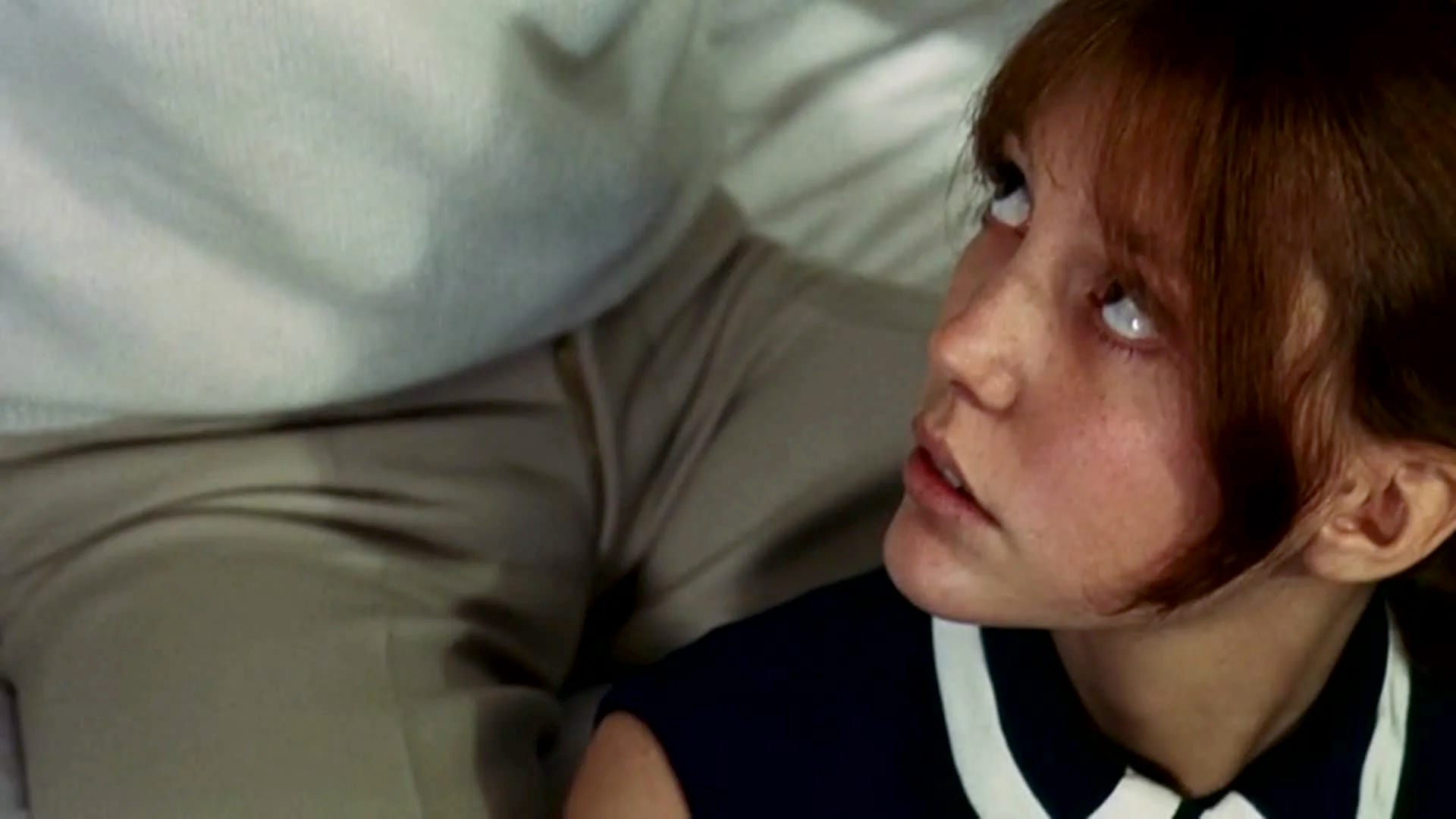
What follows is less narrative than aftermath. Ennio Morricone’s score gives way at intervals to passages from Mozart’s Requiem, and along with the repeated appearance of the Tolstoy novella, The Death of Ivan Ilyich, I began to wonder whether the visitor might be the harbinger of death as much as of sex.
In a film where dialogue is notable largely for its absence, it is the imagery that holds this perplexing work together. From the austere yet beautifully composed framing of the household to the sudden intrusion of looser, more disruptive camera movements, Pasolini constructs meaning through visual contrast. The scenes of seduction are punctuated with shots of the ash-dusted slopes of Mount Etna, but this finality doesn’t quite claim the family – at least not literally.
Each character is transformed, with a logic which makes sense perhaps only if you are Pasolini. A decade before Andy Warhol got in on the act, Pietro becomes an action painter who urinates on his canvases; his sister Odetta goes into a catatonic state and is institutionalised. Lucia cruises around Milan in her Mini picking up young men that remind her of Terence Stamp. And Emilia the maid? What an ending for her.
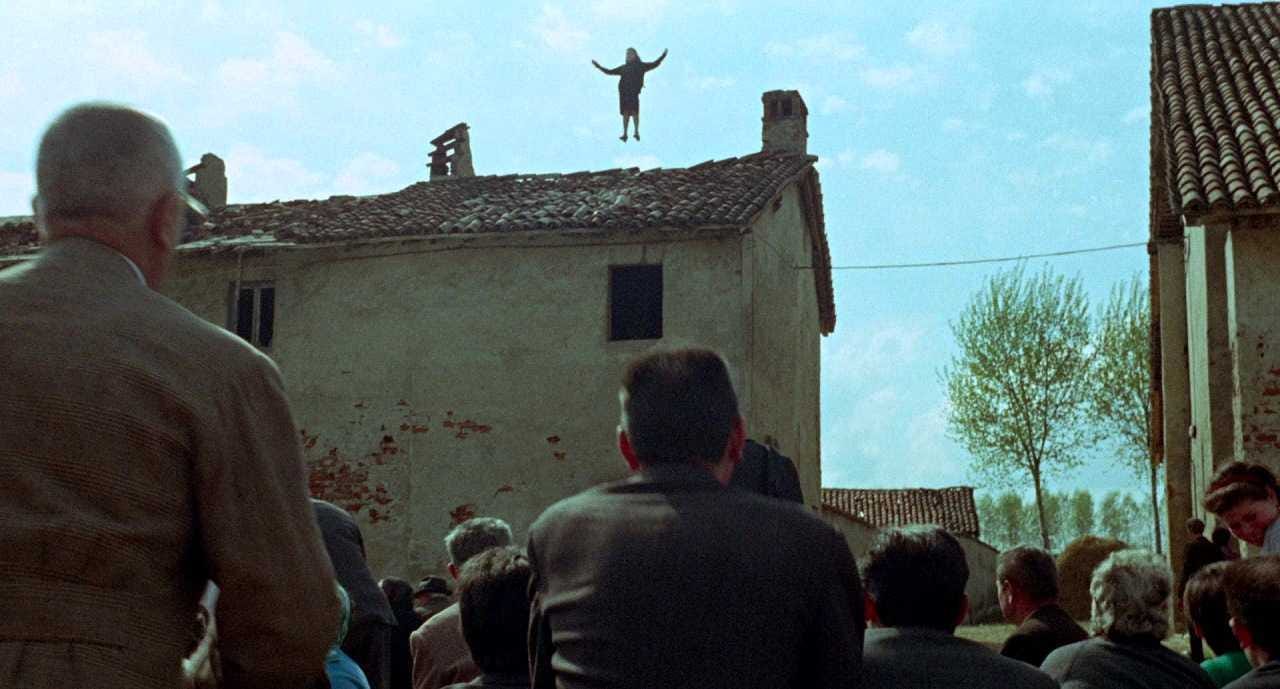
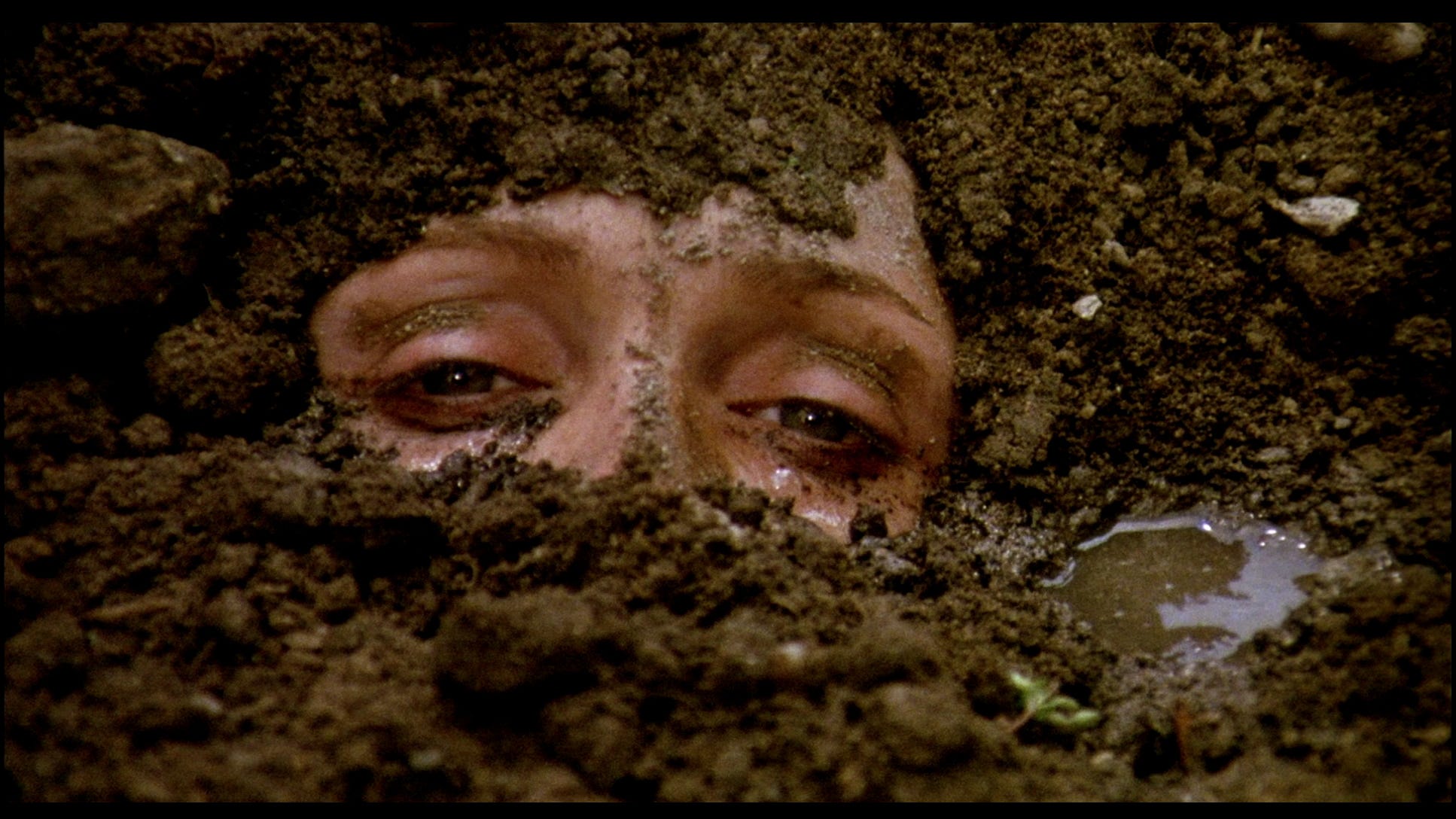
Returning to her village, she adopts a diet of boiled nettles, cures a boy of a facial disfigurement just by her touch, before she levitates above the rooftops, drifting suspended in the sky. And in a coup de théâtre she asks to be buried alive. Leaving only her eyes exposed – her tears become her legacy.
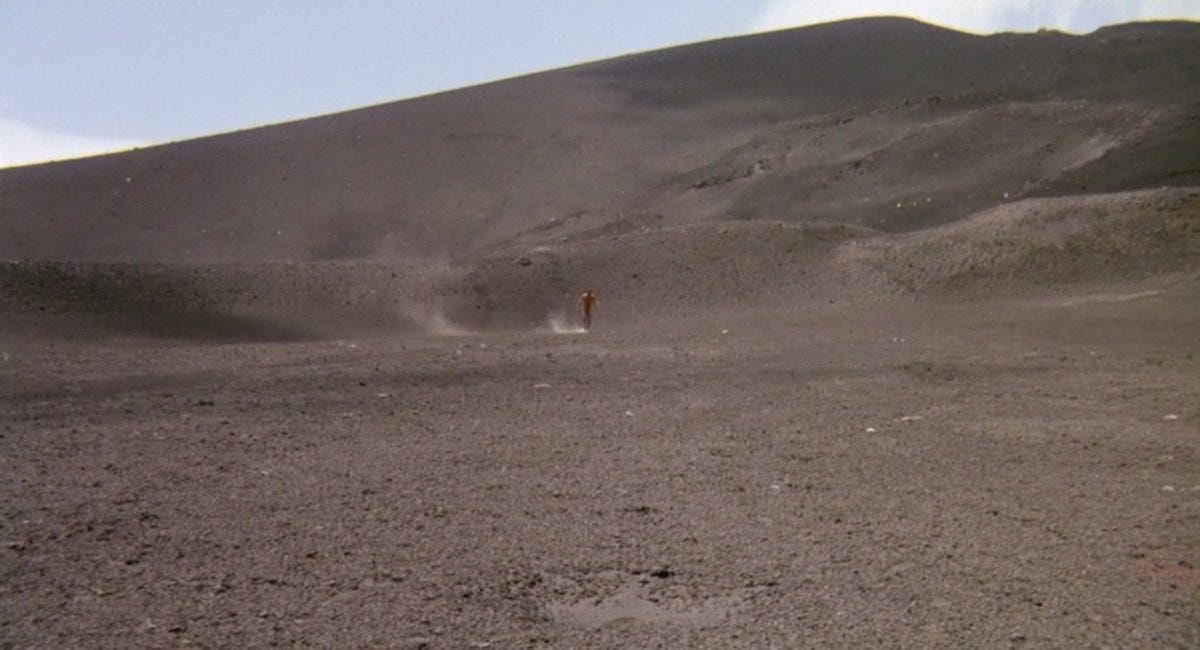
That just leaves Paolo. Like Lucia, he is yearning for another Stamp-like Adonis. It is Paolo, too, who gives his factory to the workers. Standing alone in Milan’s railway station, after shedding his possessions, he sheds his clothes – something of a shock for the onlookers, who seem unaware they are part of a film. The camera closes in on Paolo’s feet as he paces along the platform, before cutting to him wandering through a desert wilderness. Approaching the camera, he stops, looks directly at us, and emits a long, anguished howl. The film ends.
Have we just witnessed a work of genuine profundity, or something frankly absurd? Pasolini would, I suspect, insist it is both.
Reids’ Results (out of 100)
C - 82
T - 76
N - 75
S - 76
Thank you for reading Reids on Film. If you enjoyed our review please share with a friend and do leave a comment.
Coming next to ReidsonFilm… RRR(2022)